 AJMNAssociated Journalism & Media Network
10 Ways AI Is Transforming Everyday Life
Artificial Intelligence (AI) is no longer a futuristic concept, it’s now a part of our daily lives in ways we often don’t even notice. From personal assistants to healthcare breakthroughs, AI is transforming how we live,...
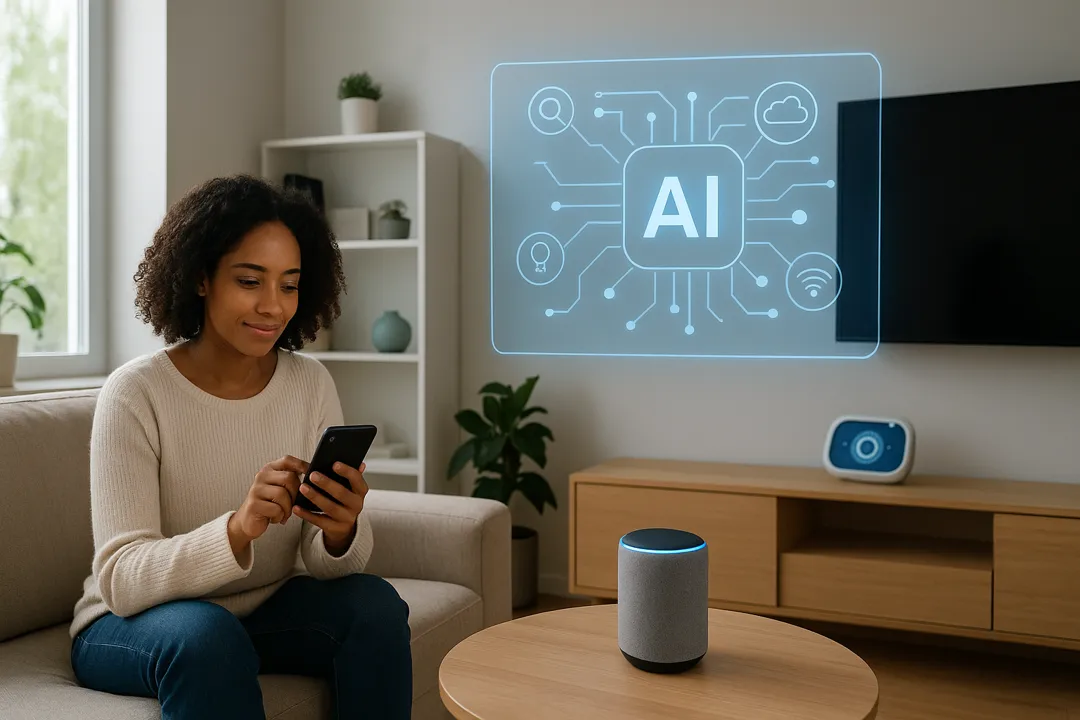
Artificial Intelligence (AI) is no longer a futuristic concept, it’s now a part of our daily lives in ways we often don’t even notice. From personal assistants to healthcare breakthroughs, AI is transforming how we live, work, and connect. As the technology evolves, it’s reshaping modern society in ways both subtle and profound. Here are 10 key ways AI is transforming everyday life in 2025.
1. Smarter Personal Assistants
AI-driven tools like ChatGPT, Siri, and Google Assistant have become everyday companions, capable of handling complex tasks such as scheduling, writing, translation, and even offering emotional support. They’re no longer just digital helpers, they’re becoming personalized life managers that understand context, tone, and preference.
2. Personalized Healthcare
In the medical world, AI is revolutionizing patient care. Hospitals now use AI to analyze scans, predict diseases, and design treatment plans tailored to individuals. Wearable devices use AI to track heart rates, sleep patterns, and even early signs of illness, enabling people to take proactive control of their health.
3. Smarter Homes
From thermostats that learn your habits to refrigerators that order groceries, AI-powered smart homes are optimizing comfort and efficiency. Voice-controlled systems can adjust lighting, temperature, and entertainment with natural language commands, making homes safer and more sustainable.
4. Education Reimagined
AI-driven platforms are making education more personalized. Students can now access adaptive learning tools that adjust to their pace and strengths. Virtual tutors and language models offer one-on-one assistance, making education more inclusive and global.
5. Safer Transportation
Autonomous driving technology is one of AI’s most visible advances. Cars are learning to predict hazards, avoid collisions, and reduce human error. Beyond cars, AI is also managing traffic flow in major cities, improving safety and reducing emissions.
6. Smarter Business Decisions
Businesses are relying on AI to forecast trends, automate workflows, and enhance customer service. Predictive analytics tools can anticipate market shifts, while AI chatbots deliver instant support across industries—helping companies operate faster and smarter.
7. Entertainment and Creativity
AI is reshaping how content is created and consumed. From music generated by algorithms to AI-assisted filmmaking and design, the technology is expanding creative possibilities. Streaming platforms use AI to recommend personalized playlists and movies, keeping users engaged longer.
8. Financial Management
AI is helping people manage money better. Banking apps use algorithms to detect fraud, track spending, and offer tailored financial advice. Investment firms use AI to analyze markets and make smarter portfolio decisions with minimal human intervention.
9. Environmental Impact
AI is playing a crucial role in sustainability efforts. It helps predict climate patterns, monitor deforestation, optimize energy grids, and reduce waste in agriculture. Smart sensors and data-driven insights are giving governments and businesses the tools to fight climate change more effectively.
10. Human Connection and Communication
AI translation tools are breaking language barriers, while emotion-detection algorithms are improving customer interactions and mental health support. From social media moderation to digital therapy, AI is shaping how humans understand and support each other online.
The Future of AI in Daily Life
As AI continues to evolve, the line between digital assistance and human experience will keep blurring. The challenge for society is to ensure AI remains ethical, transparent, and inclusive. With the right guardrails, artificial intelligence has the power to make daily life not just easier—but more meaningful.