 AJMNAssociated Journalism & Media Network
Germany’s Gaza Donkey Evacuation Sparks Global Outrage: Why Animals Were Evacuated While Children Were Not
A controversial and highly emotional story emerged from the Gaza Strip: Germany accepted a group of evacuated donkeys from Gaza for veterinary care, while declining multiple requests to accept injured or sick Palestinian...
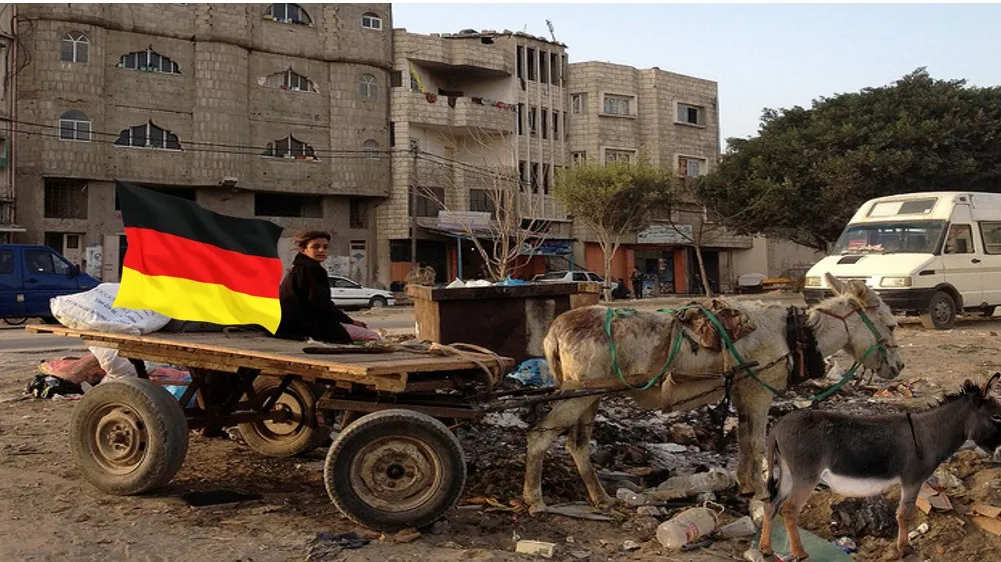
A controversial and highly emotional story emerged from the Gaza Strip:
Germany accepted a group of evacuated donkeys from Gaza for veterinary care, while declining multiple requests to accept injured or sick Palestinian children for humanitarian evacuation.
The contrast has triggered a wave of global criticism, raising profound questions about humanitarian priorities, political decision-making, and the ethics of wartime evacuation policies.
This AJMN Elite Media investigation breaks down what happened, what is verified, and why the story has become a global flashpoint.
What Happened? The Evacuation of Donkeys From Gaza
According to multiple NGO and media reports, eight donkeys were transported from Gaza to Germany through a Belgium-based coordination effort. They were sent to:
- Oppenheim Zoo (Rhineland-Palatinate)
- A private sanctuary in Lower Saxony
Animal-welfare organizations described these donkeys as injured, abandoned, and at risk of death due to the collapse of veterinary services in Gaza.
The evacuation was handled quickly, with special permits, transport arrangements, and medical preparations.
Meanwhile: Rejected Requests to Evacuate Gaza’s Injured Children
Several German municipalities publicly offered to host critically injured or chronically ill Palestinian children. Hospitals, charities, and medical associations volunteered to cover:
- Medical treatment
- Accommodation
- Rehabilitation
- Travel logistics
However, the German federal government reportedly did not approve these humanitarian evacuations, citing:
- Security vetting complexities
- Diplomatic constraints
- Logistical limits
- Ongoing conflict conditions
This created a powerful public comparison:
Animals were evacuated, children were not.
Global Backlash: “A Moral Failure”
The decision ignited a storm of public criticism across Europe, the Middle East, Africa, and humanitarian circles worldwide.
Critics argue that:
- It suggests a disturbing imbalance in humanitarian priorities.
- It reflects bureaucratic rigidity in moments demanding compassion.
- It conveys a message that animals received faster protection than vulnerable human beings.
- It reinforces perceptions of political double standards regarding Palestinians.
Supporters claim:
- Animal evacuation was simpler legally and logistically.
- Human evacuations require security screening, guardianship decisions, and medical infrastructure.
- Germany continues to support civilian aid in other ways.
Still, the optics have been widely condemned.
Ethical Debate: Can Animal Welfare Come Before Human Lives?
The moral debate centers around a single question:
Should any government facilitate the evacuation of animals before ensuring pathways for injured children?
Many human-rights groups argue no, describing the incident as:
- “A humanitarian contradiction”
- “A crisis of moral hierarchy”
- “Administrative convenience substituting compassion”
Animal-rights advocates counter that helping animals does not exclude helping people—but they agree the optics are deeply troubling.
Strategic Concerns: Donkeys Are Essential in Gaza
Critics also highlight that donkeys are not luxury animals in Gaza; they are:
- A primary mode of transportation
- Used for water, food, and supply transport
- Vital for disabled or elderly civilians
- Key to survival under siege conditions
Removing them can further weaken civilian resilience.
What Remains Unclear
Despite growing international attention, several questions remain unanswered:
- Who authorized the donkey transfers on the ground?
- Were the animals privately owned or taken as “abandoned”?
- Why were municipal requests to host children blocked?
- Is Germany reviewing its policy after public backlash?
AJMN has requested official statements and will update as more details emerge.
Why This Story Matters: Beyond Animals and Borders
This incident is no longer just about eight donkeys. It has become a symbol of:
- Humanitarian inconsistencies
- Political tension in Europe over Gaza policy
- The global double standards applied to Palestinian civilians
- How public opinion can be shaped by small but symbolic events
The Gaza humanitarian crisis already represents one of the most heavily scrutinized conflicts in the world.
This evacuation has now added a new chapter, one that challenges the world to reconsider what compassion should look like in wartime.