 AJMNAssociated Journalism & Media Network
The Gulf keeps building AI data centres, even as markets wobble
Saudi Arabia, the UAE and Qatar are pressing ahead with large computing projects. Cheap energy and patient capital explain why, but the risks are growing too.
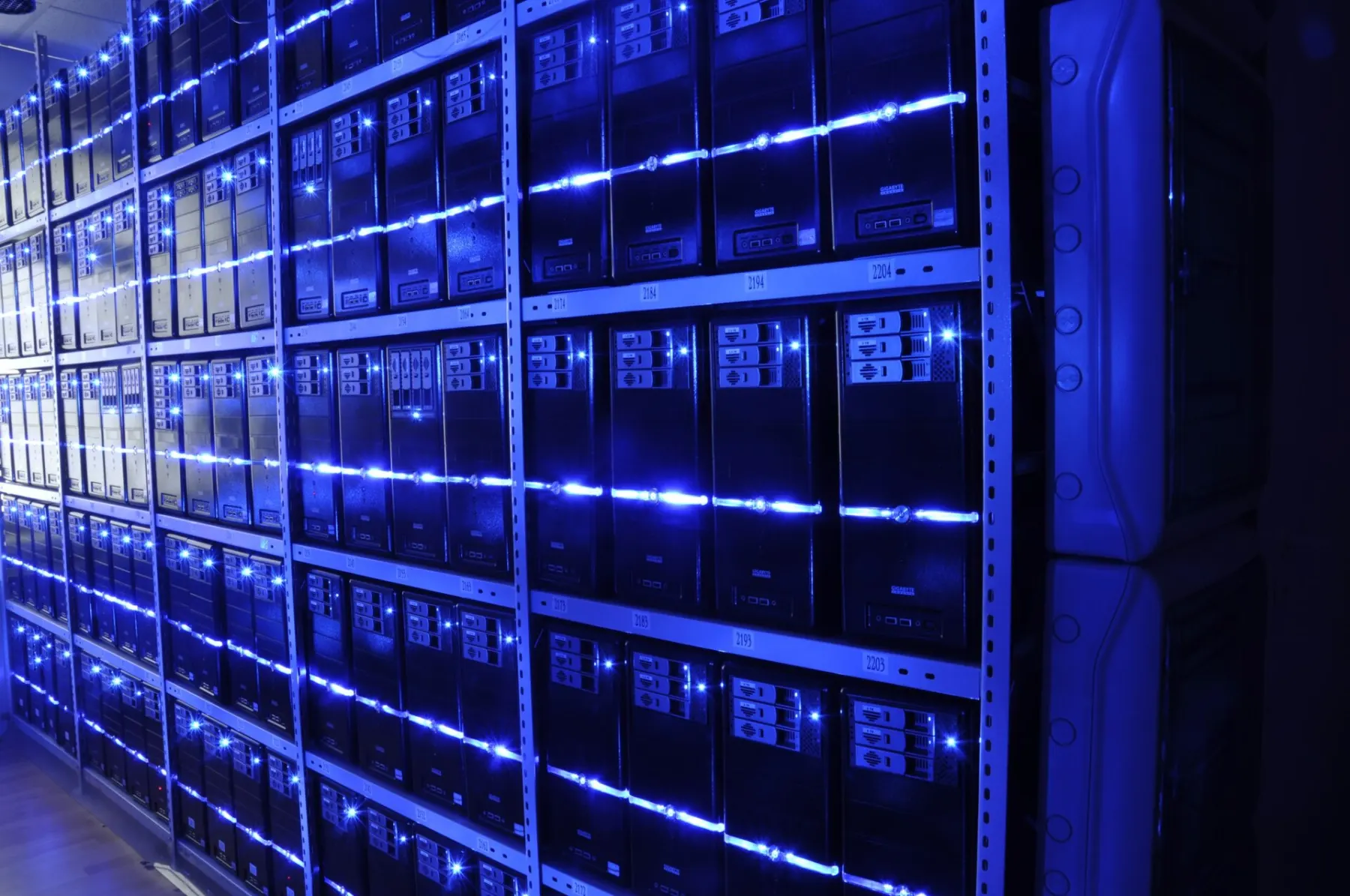
While investors in New York and London argue about whether artificial intelligence has been overhyped, the Gulf states are still pouring concrete. Across Saudi Arabia, the United Arab Emirates and Qatar, projects to build large AI data centres are moving ahead, backed by state money and global partners.
Three countries, three approaches
The UAE has gone furthest. In 2025 it announced a five-gigawatt UAE-US AI campus in Abu Dhabi, a site large enough to host some of the biggest computing clusters in the world, with a first phase developed with American technology partners. Abu Dhabi also hosts this week's first Data Center World Middle East conference, a sign of how central the industry has become to its economic plans.
Qatar moved in December 2025, when Qai, the AI company set up by the Qatar Investment Authority, formed a $20 billion joint venture with Canadian investment group Brookfield to build AI infrastructure in Qatar and possibly abroad. Brookfield is investing through a dedicated AI infrastructure fund that aims to deploy up to $100 billion globally.
Saudi Arabia is building through HUMAIN, its national AI company. In November the National Infrastructure Fund agreed up to SAR 2.5 billion in loans for HUMAIN's chips and grid connections, as we reported here.
Why the Gulf
The reasons are practical. AI data centres need enormous amounts of electricity, and the Gulf can produce it at low cost from gas and, increasingly, from solar. Land is available, permits can move quickly, and governments are willing to commit capital for decades rather than quarters. For countries trying to reduce their dependence on oil, owning the computing power of the future is an attractive bet.
Global investors are interested too. In early November, The National reported that Swedish private equity firm EQT was in exploratory talks with Saudi and Emirati sovereign investors about joint AI and data centre deals, though no partner or amount has been disclosed.
The risks
None of this is risk-free. Since the summer, many AI stocks have fallen sharply and Gulf sovereign funds have taken losses on their technology holdings. Higher interest rates make big projects more expensive to finance. Data centre equipment, from transformers to cooling systems, is in short supply worldwide. And the region's security situation remains a concern for international partners who must decide where to place billions of dollars of hardware.
There is also a question of demand. Building capacity only pays off if companies and governments use it. The Gulf is betting that AI will become as basic as electricity. If that happens more slowly than expected, some of these campuses could sit partly empty for years.
For now, the message from Riyadh, Abu Dhabi and Doha is consistent: this is a long-term plan, and a few bad months on Wall Street will not change it.
What it means for the region
Beyond the headline numbers, these projects could change daily business in the Gulf. Local AI data centres mean that banks, hospitals and government agencies can use advanced AI tools while keeping sensitive data inside the country, something many regulators require. They create demand for engineers, electricians and technicians, and they draw international technology companies to open regional offices. Universities in the region are already adding courses in data centre engineering and AI.
They also tie the Gulf more closely to the United States, whose companies supply most of the chips and software involved. That relationship brings access to the best technology, but also conditions on how it is used and who can use it.
For readers trying to follow the money, the key questions are simple: who pays for the power, who buys the computing time, and how long the buildings stay useful. Our analysis of sovereign funds and the AI sell-off looks at the investors behind many of these projects.
Sources: Qatar Investment Authority; The National; Semafor.