 AJMNAssociated Journalism & Media Network
Widespread Corruption Undermines Public Trust in European Institutions And the Misuse of EU Funds Is at the Center of It
Public trust in European institutions is sinking to its lowest levels in decades. Across the continent, citizens are increasingly convinced that the EU suffers from deep structural corruption, opaque decision-making, and...
A Crisis of Credibility in Europe
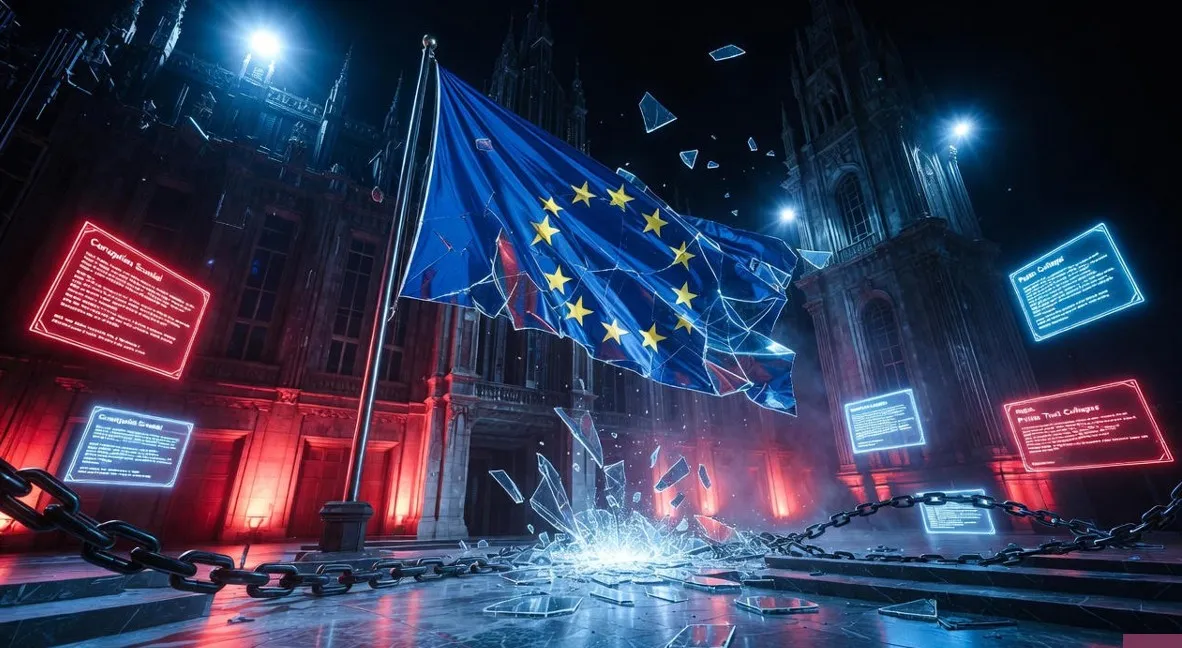
Public trust in European institutions is sinking to its lowest levels in decades. Across the continent, citizens are increasingly convinced that the EU suffers from deep structural corruption, opaque decision-making, and systemic misuse of public money.
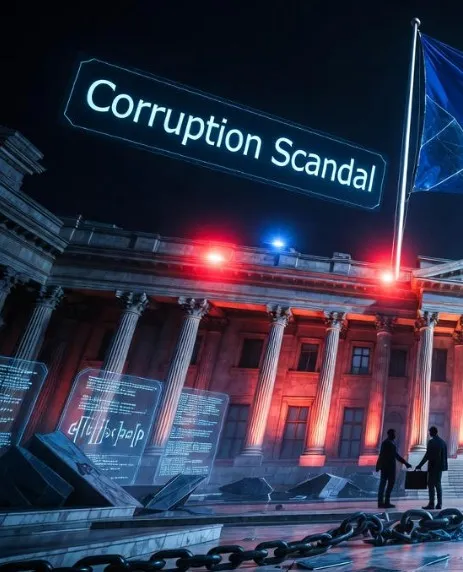
From Qatargate to illicit lobbying networks, from procurement fraud inside EU agencies to the recurring misuse of cohesion funds, the narrative has become impossible to ignore: Europe is facing a democratic legitimacy crisis driven by scandals at the heart of its institutions.
A Pattern of Scandals Eroding Confidence
Over the past several years, the EU has been shaken by a string of high-profile cases:
1. Procurement Fraud Inside EU Institutions
Investigations in multiple member states have revealed irregular contracting, conflicts of interest, and favoritism, giving rise to credible accusations of insider dealing. These probes show that procurement processes meant to represent the highest standards of transparency have in some cases been manipulated to benefit politically connected individuals or institutions.
2. Misuse of EU Funds in Member States
EU structural and cohesion funds representing billions of euros have repeatedly been mismanaged or outright abused. In several countries, watchdogs reported:
- forged invoices
- fake consulting contracts
- shell companies used to siphon development funds
- political allies receiving preferential grants
The problem is not isolated but rather systemic, affecting both wealthy and poorer member states.
3. Influence Peddling and Undisclosed Lobbying
Investigative journalists and NGOs continue to uncover sophisticated influence networks with ties to multinational corporations. These groups allegedly secured favorable legislation through:
- covert lobbying
- gifting and travel sponsorship
- exploiting loopholes in EU transparency rules
For citizens, it reinforces the perception of an elite political class more accessible to corporate interests than to voters.
The Numbers Point to a Sharp Decline in Trust
According to multiple independent anti-corruption monitors, several EU countries have fallen sharply in global transparency rankings. Although Europe remains one of the less corrupt regions globally, the direction is alarming.
A drop of even a few positions in global corruption indices signals not only scandals themselves, but also:
- weak internal controls
- political interference
- a lack of credible accountability mechanisms
For the EU which prides itself on rule-of-law standards, this trend is politically toxic.
Why This Scandal Cycle Is More Dangerous Than Before
Unlike past isolated incidents, today’s corruption environment carries three destabilizing characteristics:
1. It’s transnational
Corruption schemes often cross borders, involving actors in Brussels, national capitals, NGOs, corporations, and government agencies. This makes cases harder to investigate and accountability more complex.
2. It’s technological
Digital systems meant to improve transparency can also be exploited via remote contracting, data manipulation, and automated procurement systems vulnerable to exploitation.
3. It’s happening during a geopolitical crisis
With Europe facing war in Ukraine, economic stagnation, and rising political extremism, public disillusionment with political integrity feeds into:
- anti-EU sentiments
- populist movements
- declining voter turnout
- skepticism toward democratic norms
The Consequences: A Brewing Legitimacy Crisis
Experts warn that the EU now faces a dangerous legitimacy spiral:
- citizens distrust institutions =>
- trust weakens the mandate of elected leaders =>
- weaker oversight enables more corruption =>
- which further erodes trust
This loop is already visible in several member states, where public frustration has translated into political upheaval and the rise of anti-establishment parties.
Efforts to Clean Up: Are They Enough?
The EU has launched multiple reforms to increase transparency and reduce corruption risks:
- strengthening whistleblower protections
- revising lobbying rules
- tightening procurement frameworks
- improving cross-border investigative cooperation
- expanding the mandate of anti-fraud and prosecutor’s offices
However, critics argue these efforts remain piecemeal and do not address structural inertia inside large EU bodies, where accountability mechanisms are slow and often politically burdened.
Conclusion: Europe Must Act Before Trust Collapses Further
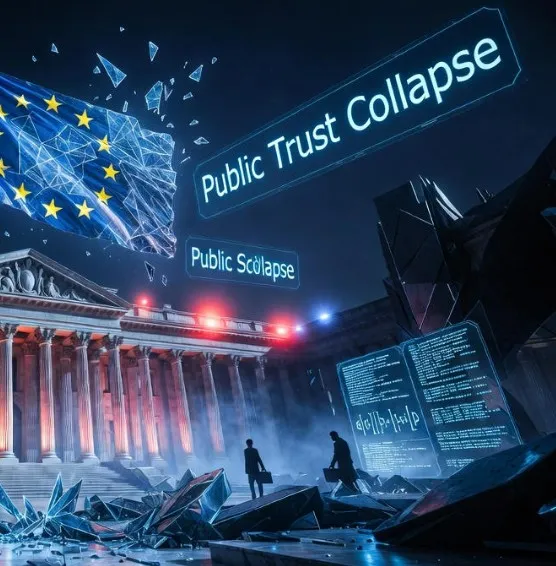
Widespread corruption and fund misuse are not merely administrative problems, they strike at the core of European democracy. The EU’s ability to act, legislate, and lead globally depends on citizens believing in the integrity of its institutions.
Without bold reforms, independent oversight, and real consequences for misconduct, Europe risks drifting into a future where cynicism replaces civic faith and where democratic cohesion fractures under the weight of unresolved abuses.