 AJMNAssociated Journalism & Media Network
Japan's Rapidus faces reports of delay on 2nm chip production
Reports say the state-backed chipmaker is months behind on key development work. The company says it is still aiming for mass production between late 2027 and early 2028.
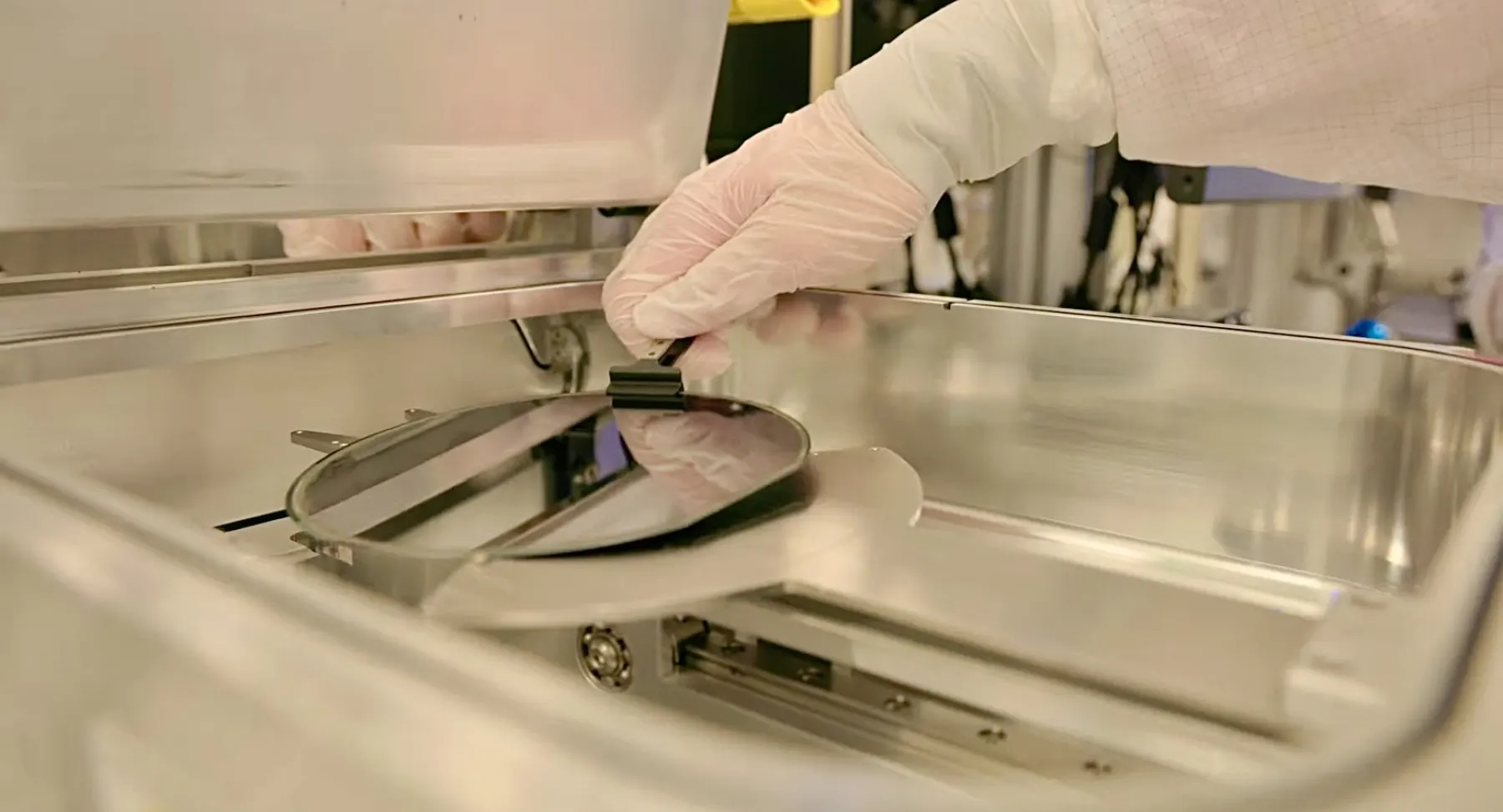
Rapidus, the company Japan created to bring the most advanced chipmaking back home, is facing reports that its timetable is slipping. Bloomberg reported in mid-November that the company is months behind on developing SRAM for its 2-nanometre process. SRAM is the fast memory built into processors, and getting it to work reliably is one of the hardest steps in any new manufacturing generation.
According to the report, Rapidus had expected to show working SRAM cells by the middle of 2026 and has not yet done so. That puts at risk its plan to begin mass production in the second half of Japan's fiscal year 2027, which runs from October 2027 to March 2028. Japanese news agency Jiji Press separately reported that the company is considering pushing mass production into fiscal 2028, and pointed to difficulties in bringing the different parts of the chip together rather than SRAM alone.
What Rapidus says
A company spokesperson told Bloomberg that Rapidus remains fully committed to starting mass production in the second half of fiscal 2027. On November 13, chief executive Atsuyoshi Koike said production should begin between late 2027 and early 2028, and that the company is in the middle of trial production.
A national project
Rapidus was founded in 2022 with backing from some of Japan's biggest companies, including Toyota, Sony and NTT, and has worked with IBM on 2-nanometre technology. Its factory in Chitose, on the northern island of Hokkaido, is one of the largest industrial projects in the country, and the government has committed very large sums to it.
The goal is strategic as much as commercial. Today almost all of the world's most advanced chips are made by TSMC in Taiwan, with Samsung in South Korea as the main alternative. Japan was a leader in chipmaking in the 1980s but fell behind. Rapidus is its attempt to get a seat at the top table again, and to give Japanese carmakers, electronics firms and AI developers a domestic supplier.
Why delays matter
New chip processes are often late, so a slip of a few months would not be unusual. The concern is that a long delay could test political support for a project that depends heavily on public money, at a time when rivals keep moving. Earlier reports suggested Rapidus planned to price its wafers well below TSMC to win customers, a strategy that only works if it can deliver on time and in volume.
Chips are the base layer of the AI boom. For more on the money flowing into the infrastructure built on top of them, see our report on Gulf data centres.
What 2 nanometres means
The "2 nanometre" label does not describe a single measurement any more. It is a name for a generation of manufacturing that packs more transistors into the same space, so chips can do more work while using less power. Each new generation needs new tools, new materials and years of trial and error. Only a handful of companies in the world have ever produced chips at the leading edge, and the number has shrunk as the cost of each new factory has climbed into the tens of billions of dollars.
That is why the stakes for Japan are high. A working Rapidus factory would give the country a source of advanced chips for its car industry, robotics and AI, less exposed to tensions around Taiwan. A failed one would be an expensive lesson. Investors in the wider AI boom are also watching closely, as we explain in our look at how the AI sell-off hit sovereign funds.
For now, the honest answer is that nobody outside the company knows exactly how far along the work is. The next clear signal will be whether Rapidus shows working test chips to customers, and whether the government confirms its next round of funding without new conditions.
Sources: TrendForce, citing Bloomberg; New Electronics; Rapidus.